Mukaish is a shimmering embroidery embellishment used with chikankari. It is known for its distinctive pattern and shine. Also known as Kamdani or Fardi ka kaam, this glittering embroidery has been a part of the ancient Lakhnavi culture and tradition. Mukaish work embroidery is done with drawn, flattened, lightweight metal threads called badla. Read More
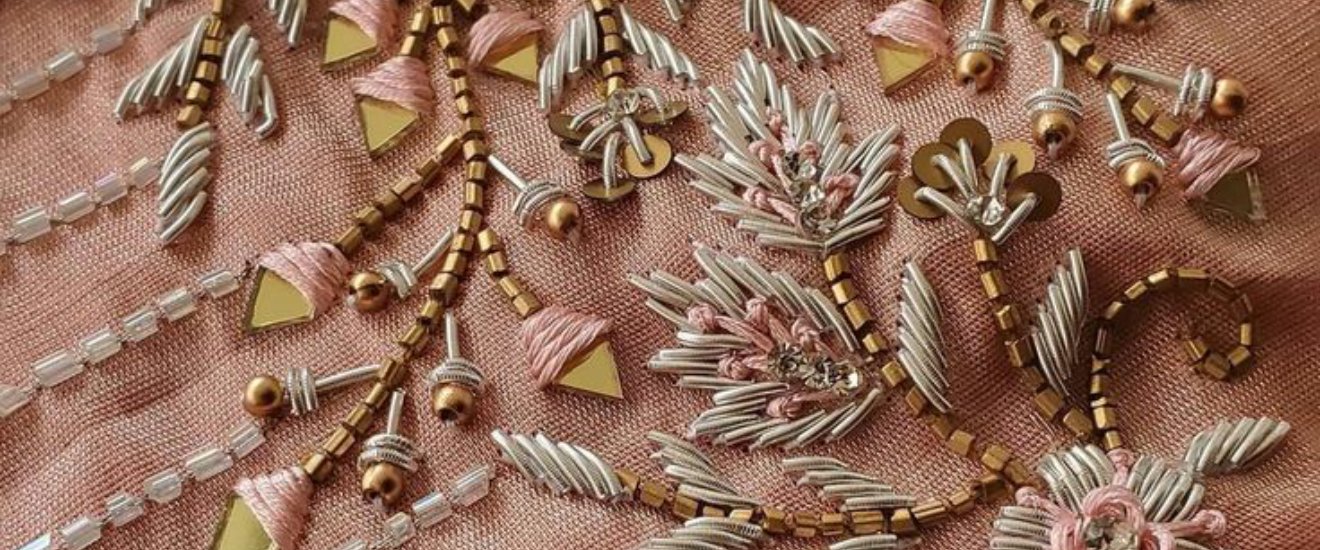
Originating from the hinterlands of Rajasthan, dabka embroidery is a detailed hand embroidery design that requires complete needle and thread work. Dabka work is usually done on silk and chiffon fabrics and is done with zari thread. Read More
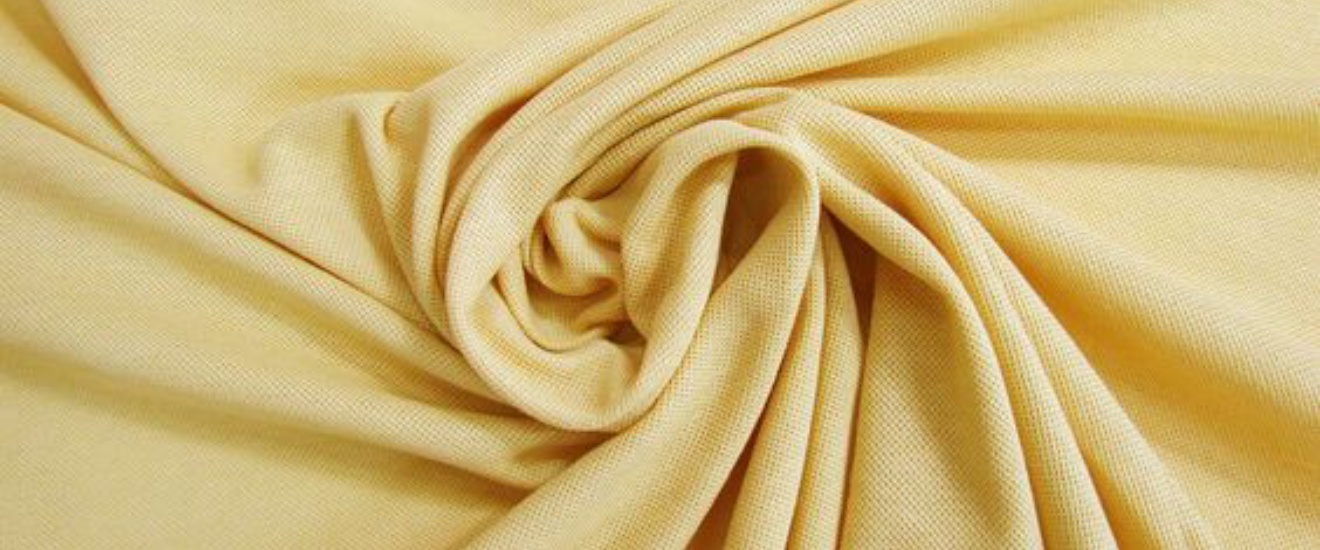
Pique knit is a double knit that has distinct weaves in its construction. With warp and weft, both of which are knitting techniques, the knit type is conceivable. A strong cotton knit fabric with a fine, textured pattern is called pique. With a distinct, delicate texture, the cross-tuck knit structure produces a cellular impression. Pique is also the name for a woven cloth that has a minute, rough pattern on it that gives the impression that it is quilted. Read More

Sandur Lambani embroidery is an embroidery type practised in the Sandur town of Karnataka. Colourful patches of clothes are joined by different stitches and embellished with mirrors and seashells. Read More

Since crepe is a rather old type of fabric, it has had plenty of opportunity to evolve. Crepe is a method of producing fabric rather than a specific kind of fibre. Crepe is typically made of silk, though it can also be produced using other materials like wool, cotton, rayon, and polyester. The fabric's wrinkly, bumpy appearance is the secret to crepe. A variety of techniques can be used to obtain this look, but before the fibres are turned into cloth, they are often twisted extremely tightly. Read More

Stretchable synthetic fibres like lycra are available. Without changing its actual shape, it can be stretched up to six times longer than it actually is. It has excellent heat resistance. To improve the amount of flexibility within the fabric, lycra is frequently woven with other materials. The DuPont Corporation was the company that first created this cloth in the 1950s. Read More

The age-old technique of screen printing uses a wooden mesh to support an ink-blocking stencil so that the desired image can be printed on a piece of fabric. The screen stencil is dragged over the screen using a squeegee or fill blade, which forces the ink out in a capillary motion. Gujarat, an important hub for this skill set, is where textile printing, or screen printing, is a popular craft conducted in India. Cotton is the most widely used material, serving as a canvas for the vivid colours that depict the artistic magnificence of screen printing. Read More

The art of Tilla, a traditional craft of Kashmir historically used to embellish pherans and shawls, has evolved over time to include sarees, shalwar kameez, and various other garments. This exquisite embroidery technique entails the use of gold and silver metallic thread to create intricate and detailed designs. Read More

The vibrant state of Gujarat, known for its extraordinarily rich and colourful textiles, is now being treated to a revival of Parsi gara. Gara in Gujarati means sari. Since the embroidery was inspired by Parsi art, it is called Parsi Gara. Born from seamless blending and confluence over the years, Parsi Gara represents the beauty inherent in four cultural traditions, namely Persian, Chinese, European, and Indian. Read More

The Surat Zari Craft is a textile product of Surat district in Gujarat, India, that is made from yarns of silk and cotton mixed with gold, silver, or copper. The zari threads are used to make intricate designs by weaving them into generally silk fabrics. Read More

The sheer, airy, dull-finished crepe fabric known as Georgette was named for the French dressmaker Georgette de la Plante, who worked in the early 20th century. High-twist yarns are used to make georgette. Blouses, dresses, evening gowns, saris, and embellishments are created from georgette, which is produced in both solid colours and designs. Georgette made of silk is rather fragile, although versions made of synthetic fibres may be more resistant to tearing. Read More

The intricate Gotta Patti embroidery showcased on traditional Rajasthani attire is a breathtaking work of art that exhibits a range of sophisticated techniques. This intricate fabric decoration process involves the application of small cut pieces of golden lace in meticulous applique work. Read More



.jpg)