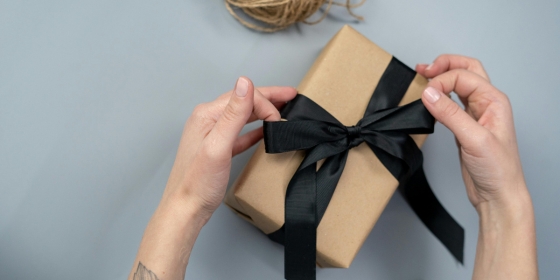
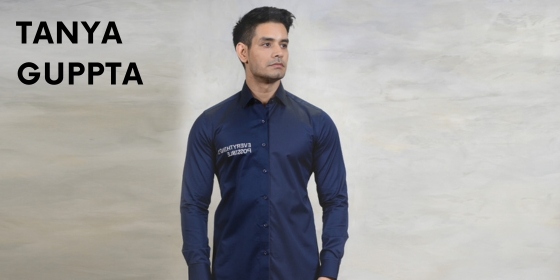
Textile block printing is an intriguing art that entails employing proficient craftsmanship and meticulous tools. The adept artisans utilize age-old techniques to intricately carve designs onto wooden blocks, each bearing unique features and fine details. Once pressed onto fabric, these blocks render gorgeous and distinctive patterns that can withstand the test of time, embodying exquisite quality and unmatched elegance. Read More
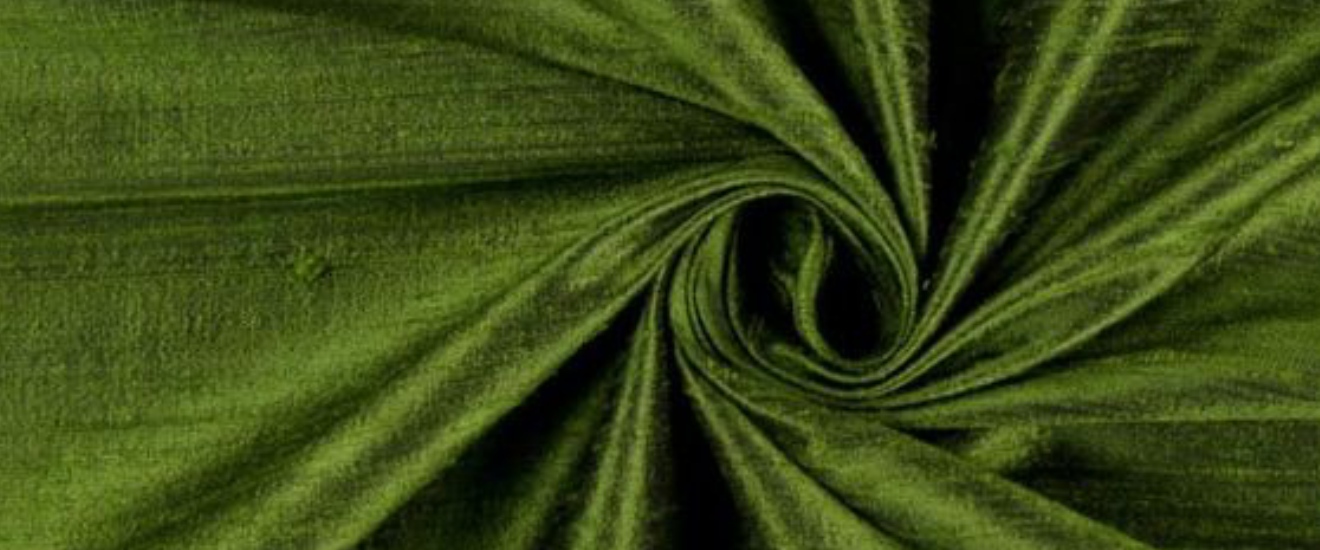
Dupion silk is a luxurious, handwoven silk fabric that boasts a distinctive slub texture. It is made from two silk worms that spin their cocoons together, resulting in a unique, irregular weave. This fabric has a natural sheen and is available in a range of stunning colors. It is perfect for creating elegant dresses, blouses, and evening wear. Read More

Cotton blend fabric presents an optimum combination of comfort and toughness. Superior quality cotton and synthetic fibers are used to create this fabric, which ensures a comfortable and long-lasting outcome. This versatile fabric suits various purposes ranging from casual to workout attire, or even daily essentials, guaranteeing an improved wardrobe selection. Read More

Angrakha style is the versatile style that has endured the ravages of time. Its an ethnic silheoutte that has an asymmetric opening, knotted or secured by either thread ties or loops. This type of garment originates from Rajasthan. Read More

Applique is one of the oldest and unique forms of Gujarat's craft that is created by different patches and patterns. Multiple patterns together create a jigsaw that makes the fabric look more attractive and vibrant. One can see this graceful form of art in quilts, wall hangings, household products, and apparel. Patchwork in vivid colors, using scrap and waste material, is done by Bharwad women to make items such as quilts, awnings, and camel saddle covers. Read More

Asymmetry is when one side or half of anything does not match the other or is not the same size or shape. Asymmetry in clothes can be interpreted as a deformity of some kind that creates a high fashion statement without appearing odd. Typically, the appearance is produced by combining various cut, design, and stitching techniques. By sewing together pieces of cloth with an inclining or sloping angle that dips on one side and rises on the other, asymmetry can be produced. A few skillfully cut lines at various angles at the hem, sleeves, or neckline also help to create the asymmetry. Read More

Bandhani is a style of tie-dye textile that is embellished by picking the fabric with the fingernails to create numerous little bindings that together make a figurative pattern. By tying knots in the cloth, a pattern is produced when fabric is dyed before being applied with dye. The word "bandhani" comes from the Sanskrit verb bandh, which means "to bind, to tie." Gujarat, Rajasthan, Sindh, the Punjab region, and Tamil Nadu, where it is known as Sungudi, are currently home to the majority of bandhani-making facilities. Read More

Banarasi Tissue Silk is a luxurious type of silk fabric that has its origins in the city of Varanasi, also known as Banaras, situated in India. This exquisite fabric is meticulously woven with gold and silver threads in elaborate patterns, making it a preferred choice for traditional Indian attire such as saris, salwar kameez, and lehengas. The fabric is renowned for its intricate designs, opulent texture, and vibrant colors, making it one of the most impeccable silks available in India. Read More

Cotton Silk fabric is a hybrid material created from cotton and silk. It doesn't fit into any particular fabric culture, but people all over the world still accept it. It consists of each fibre's advantageous properties. One can create a hybrid fabric by combining cotton and silk. Typically, a cotton-heavy combination is used to create it. Although not as smooth as silk, it is soft, lightweight, and absorbent. The ratios of each are significantly responsible for the fabric's flexibility and feel. Read More

Cut work Embroidery is a unique style of embroidery created by cutting away pieces of fabric and embroidering the resultant gaps into a beautiful pattern. Cutwork, also known as punto tagliato in Italian, is a needlework method in which swaths of a fabric, usually made of cotton or linen, are removed, and the resulting "hole" is strengthened and filled with needle lace or embroidery. Read More

Direct image printing from a digital source onto a variety of substrates for media is known as "digital printing." Printing plates and transfer labels are no longer required for digital printing. Computers can print images directly onto the selected media material by connecting to specially developed printing machines. The finished digital image is ready for printing immediately; there are no intermediate steps. Read More

Foil printing is a distinctive printing method that employs metallic paper (foil), pressure, and heat to render a striking array of glossy designs and graphics on various surfaces. In a growing number of sectors, foil printing has been superseding other printing techniques since it imparts a remarkable look to the target area. The uniqueness of foil printing lies in the diverse colors and finishes it offers. While gold and silver foils remain the most popular, they come in a vast range of other shades and effects as well. Read More



.jpg)